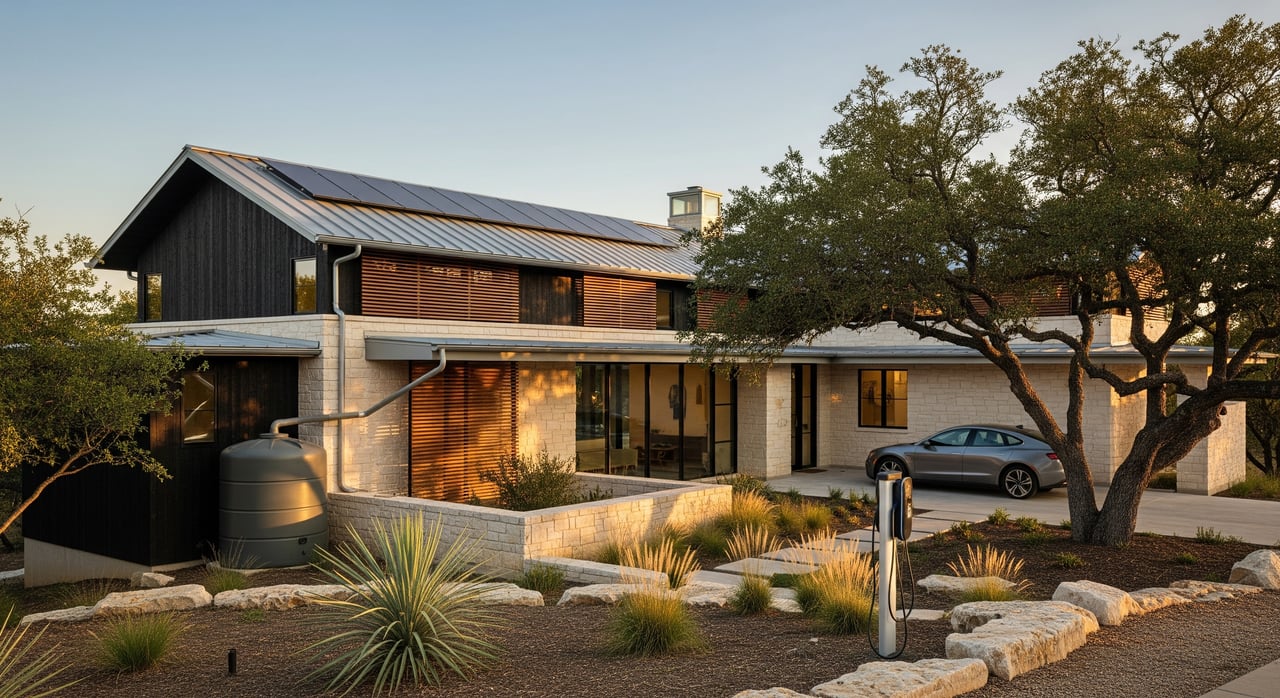
New Braunfels Energy-Efficient Home Features Guide
December 18, 2025
December 18, 2025
Summer power bills in New Braunfels can jump fast. If you are touring homes in Comal County, the right energy features can keep your house cool, steady, and quiet while lowering your monthly costs. You want comfort you can feel and savings you can count on, without guesswork. In this guide, you will learn which upgrades matter most in the Texas Hill Country, how to spot them in listings and showings, and what to prioritize before you make an offer. Let’s dive in.
New Braunfels sees long, hot summers with moderate humidity. Cooling runs much of the year, so features that manage heat and moisture have an outsized impact on comfort and your electric bill. In this climate, improvements that limit solar heat gain, seal hot attic air from living spaces, and boost HVAC performance give you the best return.
Beyond lower bills, efficient homes offer steadier temperatures, fewer hot rooms in the afternoon, and better humidity control. Third-party ratings, like ENERGY STAR or a HERS Index score, can also help your home stand out at resale.
Attics drive summer heat gain. Proper insulation and tight air sealing keep the sun’s heat where it belongs. Look for blown-in fiberglass or cellulose with clear R-values, or spray foam at the roofline, rim joists, or cathedral ceilings. Listings that mention “R-38 attic insulation,” “air sealed,” or “ENERGY STAR certified home” signal attention to the thermal envelope.
Why it matters locally: Better attic insulation and sealing lowers cooling runtimes, reduces peak afternoon strain on your AC, and evens out temperatures across rooms.
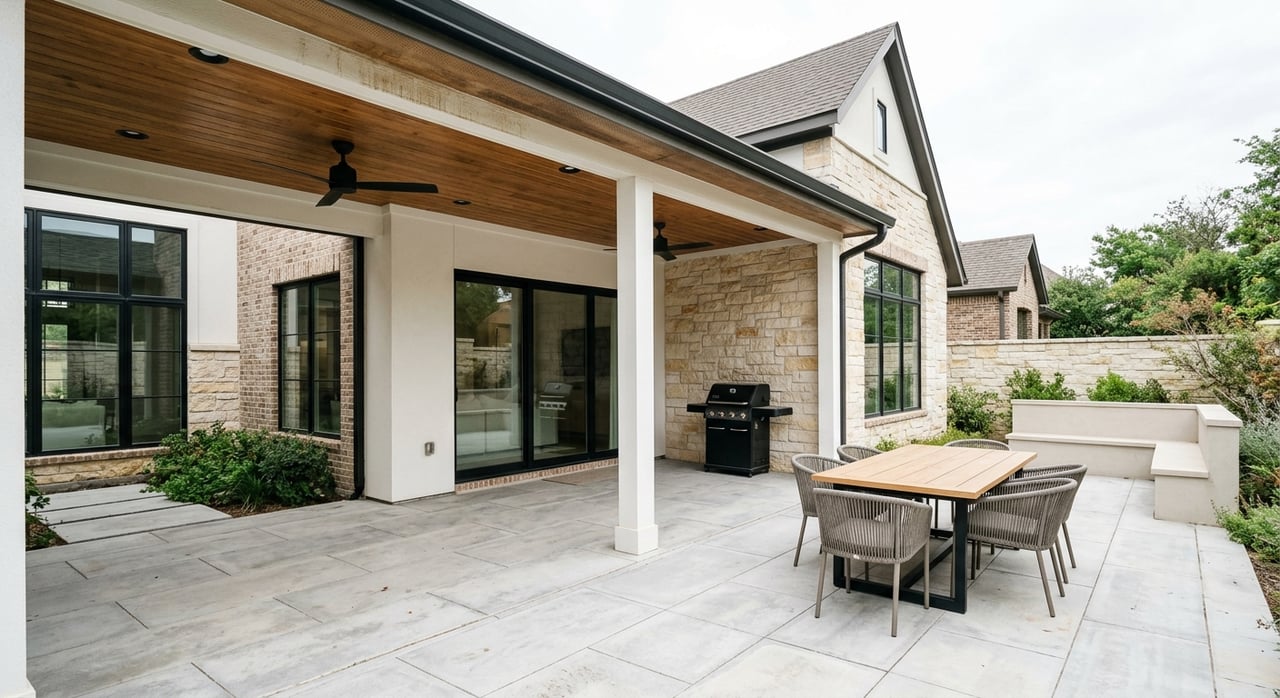
Windows are a major path for heat. In hot climates, low solar heat gain coefficient (SHGC) glass and low-E coatings help block unwanted sun. Double-pane windows with NFRC labels will show U-factor and SHGC values. Exterior shading like covered patios, deeper eaves, awnings, and strategic trees on west and south sides can make a noticeable difference.
What to look for: “Low‑E windows,” “double pane,” and SHGC and U‑factor numbers on NFRC or manufacturer labels. Mentions of orientation and shading are a plus.
Your HVAC’s efficiency rating and setup matter. In cooling-dominated areas, systems with higher SEER ratings and variable-speed or two-stage operation improve comfort and dehumidification. Proper sizing based on a Manual J load calculation helps avoid short cycling. Ducts should be sealed and well insulated, especially if they run through the attic.
What to look for: A stated SEER rating, variable-speed blower, two-stage compressor, and any documentation of proper sizing and commissioning. Ask for equipment model numbers, installation dates, and service records. Ducts should be sealed and tested when possible.
Smart or programmable thermostats optimize runtime and help you avoid cooling when you do not need it. In larger or multi-level homes, zoning lets you condition only the spaces you are using. These are lower-cost upgrades that make a strong impact when paired with a solid envelope and HVAC.
What to look for: Mentions of smart thermostat brands, “programmable thermostat,” “zoned HVAC,” or “home automation.” Confirm the device will be transferred and reset at closing.
Water heating can be a meaningful electric load. Heat pump water heaters perform well in warm climates and can cut energy use compared to standard electric tanks. High-efficiency tankless or condensing units are also common.
What to look for: “Heat pump water heater,” “tankless,” “on-demand,” or “ENERGY STAR water heater,” plus capacity and age.
ENERGY STAR refrigerators, dishwashers, and washers reduce plug loads. LED lighting uses far less electricity than incandescent or halogen bulbs and adds less internal heat, which helps keep rooms cooler.
What to look for: “ENERGY STAR appliances” and “all LED lighting,” along with appliance model lists from the builder or seller.
Rooftop solar can offset a significant share of your electric use. Ownership, interconnection details, and warranty terms all matter for value. Even if panels are not installed, “solar ready” homes with conduit or reserved breaker space make future installs easier.
What to look for: “Owned solar panels,” inverter and production paperwork, and whether the system is owned or leased. Ask about interconnection approvals and warranties.
Tighter homes need controlled ventilation for fresh air. Mechanical ventilation, and in some cases ERVs or HRVs, maintains air quality while managing humidity. Bathroom and kitchen exhaust that is quiet and effective also improves daily comfort.
What to look for: “Mechanical ventilation,” “ERV,” “HRV,” or continuous, well-ducted exhaust fans. In remodeled homes that tout tight construction, confirm how fresh air is managed.
Federal incentives like the Residential Clean Energy Credit support eligible solar and other qualifying technologies. State and local rebates vary. Check the latest programs with your local utility and review city permitting requirements before planning upgrades. Rules and incentives change, so verify details during your option period.
Your action plan:
Ready to shop with a clear checklist and a confident plan? The Lisa Guzman Group serves New Braunfels and the Hill Country with a tech-forward, concierge approach that makes buying or building more efficient from the start. If you want guidance on which features to target and how to validate them during your option period, reach out to Lisa Guzman for local expertise and a streamlined, data-driven process.


San Antonio's top-producing real estate agents whose journey to success has been nothing short of extraordinary. With a relentless commitment to education and a mastery of strategic marketing, The Lisa Guzman Group has propelled herself to the pinnacles of excellence within the industry.