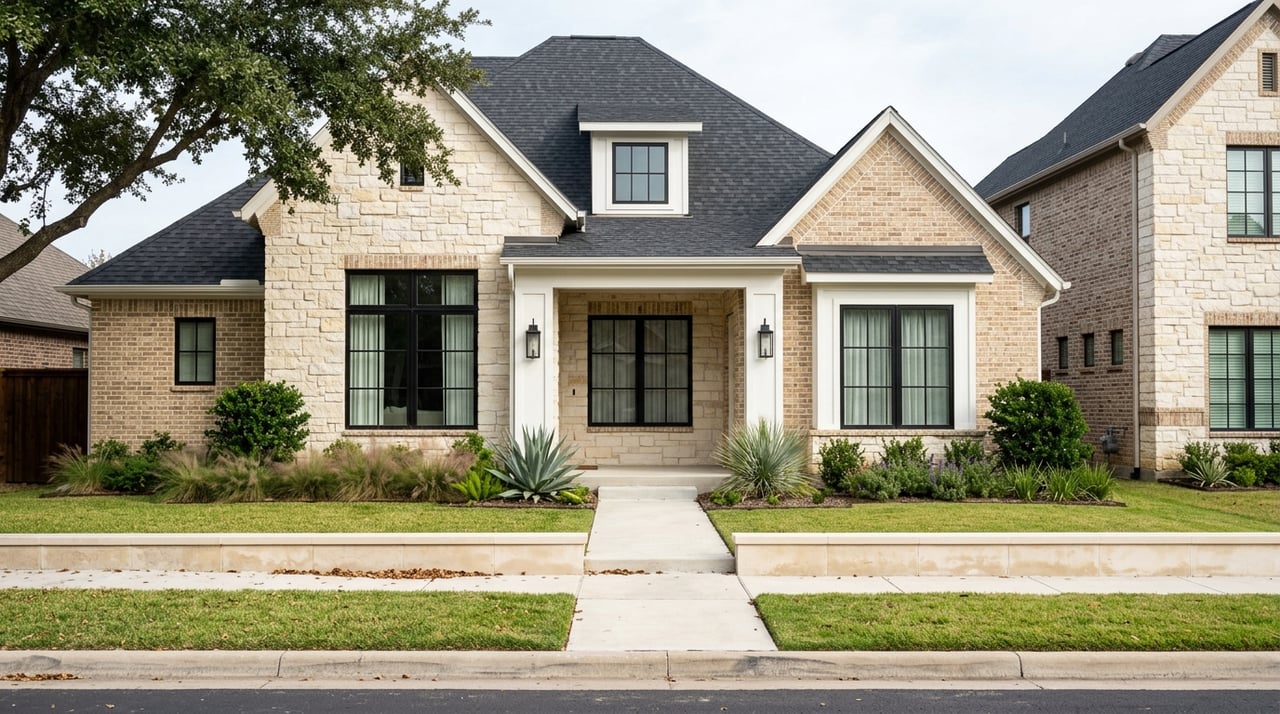
Stone Oak HOA and Gated Community Guide
June 18, 2026
June 18, 2026
If you are house hunting in Stone Oak, one question can shape your daily life and your monthly budget faster than almost anything else: what kind of HOA are you buying into? That matters because Stone Oak is not one simple neighborhood with one simple set of rules. If you want to understand fees, gates, amenities, and resale details before you make a move, this guide will help you know what to look for. Let’s dive in.
Stone Oak is a master-planned community, and that often creates a layered HOA setup. According to the Stone Oak POA, residential owners within its boundaries may pay assessments to both their neighborhood HOA and the Stone Oak POA.
That means your experience may involve more than one governing body. In practical terms, you may have neighborhood-specific rules and amenities, plus broader standards tied to the Stone Oak master plan.
The Stone Oak POA also says it supports the master plan and works through a neighborhood representative committee to share information. For buyers and sellers, that is a helpful reminder that Stone Oak often operates differently from a stand-alone subdivision with only one HOA.
One of the biggest misconceptions about Stone Oak is that every section feels the same. In reality, the Stone Oak neighborhood list shows that some subdivisions are self-managed, some use outside management companies, and some have more limited amenity structures.
That means two homes with the same ZIP code and a similar look may come with very different HOA expectations. One community may focus on a gate and shared appearance standards, while another may include a pool, trails, and recreation areas.
For you as a buyer, that makes document review especially important. For you as a seller, it means your neighborhood's specific setup can shape how buyers view value.
In Stone Oak, a gate is more than a decorative entrance. Some communities use controlled access as part of a larger package that may include visitor procedures, guard coverage, and neighborhood traffic rules.
Champions Ridge is one local example. Its published amenities include a 24-hour guard house, gate access, a tennis court, sport court, pavilion, landscaped common areas, and a 31-acre nature preserve.
That example shows why it helps to ask detailed questions. A guarded entrance, a code-based visitor system, and shared open space create a different day-to-day experience than a neighborhood with a simpler access point or no gate at all.
Bexar County also notes that gated communities must account for emergency access. Electrically operated gates must accommodate emergency access devices, and manual gates must use a Knox padlock or Knox box arrangement.
HOA amenities in Stone Oak can range from basic to extensive. The fee you pay is tied to a specific set of shared features, not to a generic promise of neighborhood benefits.
Some Stone Oak sections offer a broader amenity package. For example, Big Springs, Village on the Glen, Village at Cactus Bluff, and Village in the Hills are listed with a pool, recreation center, tennis courts, basketball, walking trails, and playground.
Other communities have a different mix. Mesa Grande and Echo Canyon are listed with a pool, recreation center, basketball, and playground, while Stone Mountain includes a pool, recreation center, tennis courts, basketball court, and playground.
There are also neighborhoods with a lighter amenity footprint. The Springs at Stone Oak is listed with a park and playground.
When you compare homes, it helps to ask a simple question: what does this HOA actually maintain or provide? That answer can influence both your monthly costs and how much you use what you are paying for.
In Texas, an assessment can include a regular assessment, a special assessment, or another amount an owner must pay under the governing documents or by law. That legal definition matters because not all HOA charges work the same way.
Regular assessments are your recurring dues. Special assessments are separate, and they should be treated differently when you review the true cost of ownership.
Texas law also says that votes on increasing regular assessments or adopting special assessments require the required open-meeting notice. If you are buying in Stone Oak, that is one reason the association's records and resale materials are worth reviewing closely.
Another cost to keep in mind is the transfer fee. On its resale document page, the Stone Oak POA says it uses HomeWiseDocs for document delivery and currently lists a $200 transfer fee payable to the management company.
That is a useful local example because HOA-related closing costs may show up even when a listing does not focus on the monthly dues. Buyers should factor those costs into the full picture, and sellers should be ready for buyer questions about them.
Texas Chapter 207 gives buyers access to key association documents. Those materials can include the governing documents, rules, and the resale certificate.
The resale certificate is especially important because it is supposed to show items such as assessment amounts, how often those assessments are charged, and certain association litigation information. If you want fewer surprises after closing, this is one of the most important parts of your review process.
A management certificate is also required under Texas law. It identifies the subdivision, association, contact information, website, and any transfer fee charged in connection with a property transfer.
Before you buy in Stone Oak, make time to review:
If you plan to update a roof, repaint, build a patio cover, or make other exterior changes, HOA review can matter just as much as your contractor timeline. Stone Oak POA says exterior project submittals are reviewed by the Architectural Review Committee, and submittals are due before the committee's meeting date.
The POA also states that ARC approval does not replace City of San Antonio approvals. In other words, you may need both HOA review and city approval depending on the project.
This is a big deal for buyers who plan to personalize a home soon after closing. It is also relevant for sellers, because unapproved exterior work can raise questions during a transaction.
HOA life in Stone Oak is not only about dues and amenities. Daily routines can also be shaped by neighborhood-specific rules on signs, access, and internal traffic.
For example, Stone Oak POA posts a sign policy and a bandit-sign removal policy. Champions Ridge also publishes a 25 mph speed limit and notes that there are no sidewalks inside the neighborhood.
These may sound like small details, but they can affect how the community feels once you live there. That is why it helps to look past the entry monument and ask how the neighborhood actually operates day to day.
Texas law requires regular and special HOA board meetings to be open to owners, with limited exceptions for executive-session topics. That gives owners a clearer window into association decisions.
State law also sets notice requirements before certain enforcement actions. Before an association can take steps such as fines, suspending common-area use, or other discipline, it must give written notice, describe the issue, and provide a chance to cure or request a hearing for curable violations.
For buyers, this is part of understanding the governance side of ownership. For current owners preparing to sell, it is a reminder that unresolved HOA issues can become part of the transaction conversation.
Many buyers and sellers want a simple answer to this question: do HOAs and gates raise home values? The research suggests the answer is more nuanced.
A 2019 Journal of Urban Economics study found that homes in HOAs sold for at least 4% more on average than observably similar homes outside HOAs, though the premium varied widely by market. A 2022 peer-reviewed study found higher prices in communities with gates, guards, or guards-and-patrols, while the premium for gates alone weakened when guards and patrols were present.
The practical takeaway in Stone Oak is that resale impact is likely neighborhood-specific. Amenities, security setup, fee level, architectural rules, and how well the association is run can all shape how buyers respond.
That matters because Stone Oak includes a mix of security-focused, amenity-rich, self-managed, and more limited associations. You cannot assume every HOA or gated section will affect price the same way.
If you are buying in Stone Oak, compare more than the house itself. Look closely at the community structure, monthly and transfer costs, access procedures, and how the HOA may affect future exterior projects.
If you are selling, be ready to explain your neighborhood's actual value package. Buyers often respond best when they can clearly understand what the dues cover, how the gate works, and what amenities or rules come with the property.
A smooth move usually starts with clear information. When you understand the exact HOA setup for a specific Stone Oak address, you can make a more confident decision and avoid broad assumptions.
If you are planning a move in Stone Oak and want clear, local guidance on how HOA details may affect your purchase or sale, connect with Lisa Guzman. You will get responsive support, strong market insight, and a streamlined approach built to help you move with confidence.





San Antonio's top-producing real estate agents whose journey to success has been nothing short of extraordinary. With a relentless commitment to education and a mastery of strategic marketing, The Lisa Guzman Group has propelled herself to the pinnacles of excellence within the industry.